Is WPC decking suitable for Vladivostok coastal climate?
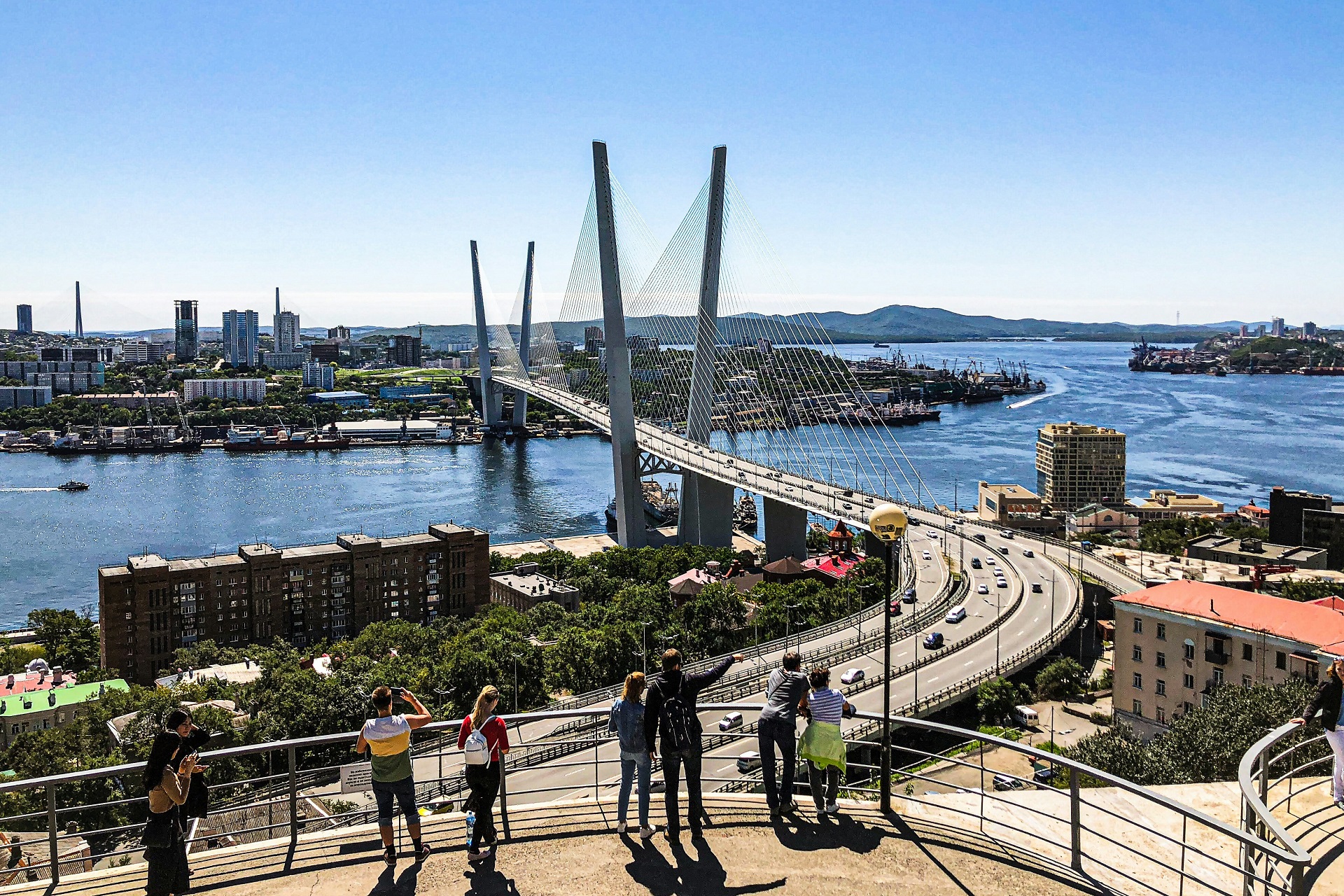
Vladivostok, located on Russia’s Pacific coast, experiences a challenging coastal climate. High humidity, salty sea air, strong winds, heavy snowfall, and repeated freeze-thaw cycles create harsh conditions for outdoor building materials.
For property developers, contractors, and homeowners, choosing the right decking material is critical. Traditional wood often struggles in such environments. This raises an important question:
Is WPC (Wood Plastic Composite) decking a better solution for Vladivostok’s coastal climate?
Challenges of Coastal Climate in Vladivostok
Outdoor materials in Vladivostok must withstand:
High moisture levels throughout the year
Salt-laden air that accelerates corrosion
Winter temperatures dropping well below freezing
Freeze-thaw cycles that cause expansion and cracking
Heavy snow loads
These environmental factors can significantly reduce the lifespan of conventional timber decking.
Why Traditional Wood Decking May Fail
Although natural wood offers aesthetic appeal, it has structural limitations in coastal and cold regions.
1. Moisture Absorption
Wood absorbs water easily. Over time, this leads to swelling, warping, and surface cracking.
2. Mold and Rot
High humidity encourages mold growth and internal rot, especially when maintenance is insufficient.
3. Frequent Maintenance
Wood decks require regular sealing, staining, or painting to protect against moisture and UV exposure.
4. Freeze-Thaw Damage
Water trapped inside wood fibers expands when frozen, causing structural weakening.
For coastal cities like Vladivostok, maintenance costs can become significant over time.
Why WPC Decking Performs Better in Coastal Conditions
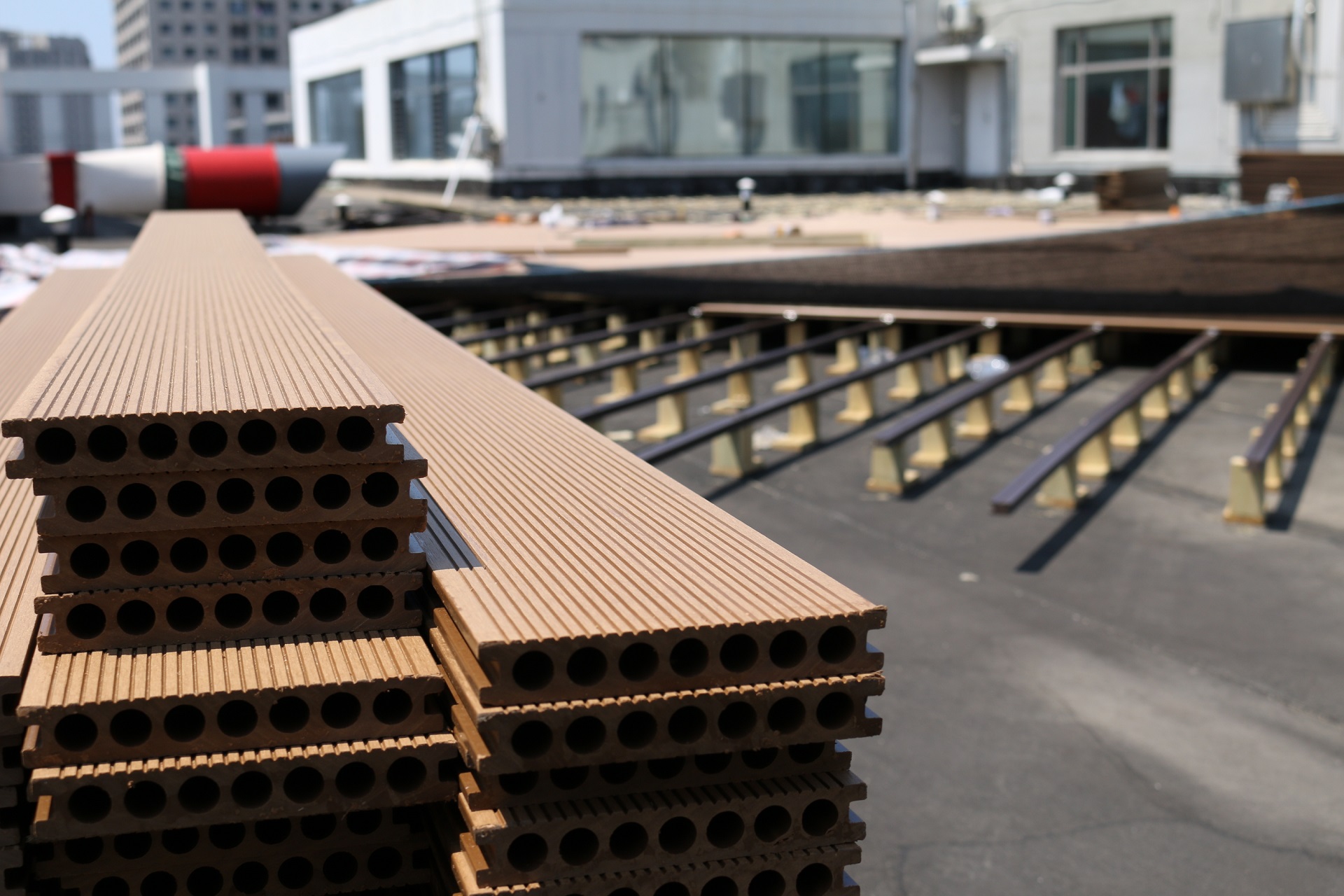
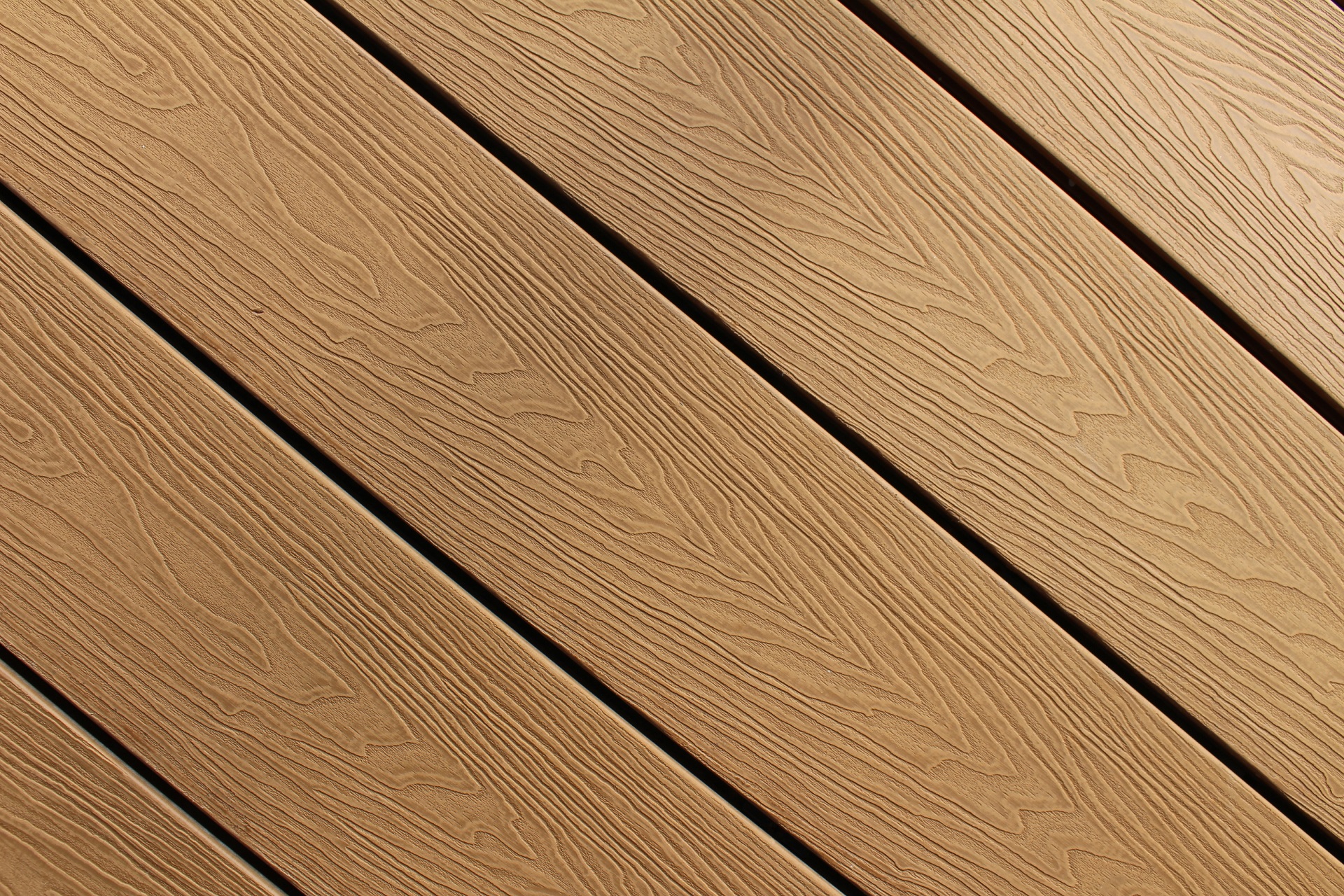
WPC decking combines wood fiber with HDPE (High-Density Polyethylene), creating a more stable and weather-resistant material.
1. Low Water Absorption
WPC boards have significantly lower water absorption compared to traditional timber, reducing swelling and cracking.
2. Resistance to Salt Air
The polymer component provides better resistance against corrosion caused by salty coastal environments.
3. Freeze-Thaw Stability
WPC maintains dimensional stability during temperature fluctuations, making it suitable for cold winters.
4. Minimal Maintenance
Unlike wood, WPC does not require painting or frequent sealing. Routine cleaning is usually sufficient.
5. Long Service Life
With proper installation, high-quality composite decking can maintain performance for many years, even in challenging climates.
Ideal Applications in Vladivostok
WPC decking can be suitable for various coastal and residential applications, including:
Seaside residential balconies
Private villa gardens
Commercial outdoor terraces
Coastal boardwalk areas
Rooftop leisure decks
Its combination of durability and modern appearance makes it an attractive solution for both residential and commercial projects.
Climate Adaptation Considerations
When supplying decking for cold coastal regions, it is important to consider:
Proper installation spacing for thermal expansion
High-quality co-extrusion surface protection
Reliable substructure systems
Professional installation guidance
Choosing the right specification ensures optimal performance in Vladivostok’s environment.
Conclusion
Vladivostok’s coastal climate presents serious challenges for outdoor decking materials. While traditional wood may require frequent maintenance and face durability issues, WPC decking offers enhanced resistance to moisture, salt air, and freeze-thaw cycles.
For projects in Russia’s coastal cities or similar environments, composite decking can provide a more stable and cost-effective long-term solution.
If you are sourcing WPC decking for cold or coastal regions, feel free to contact us for technical specifications and product samples.